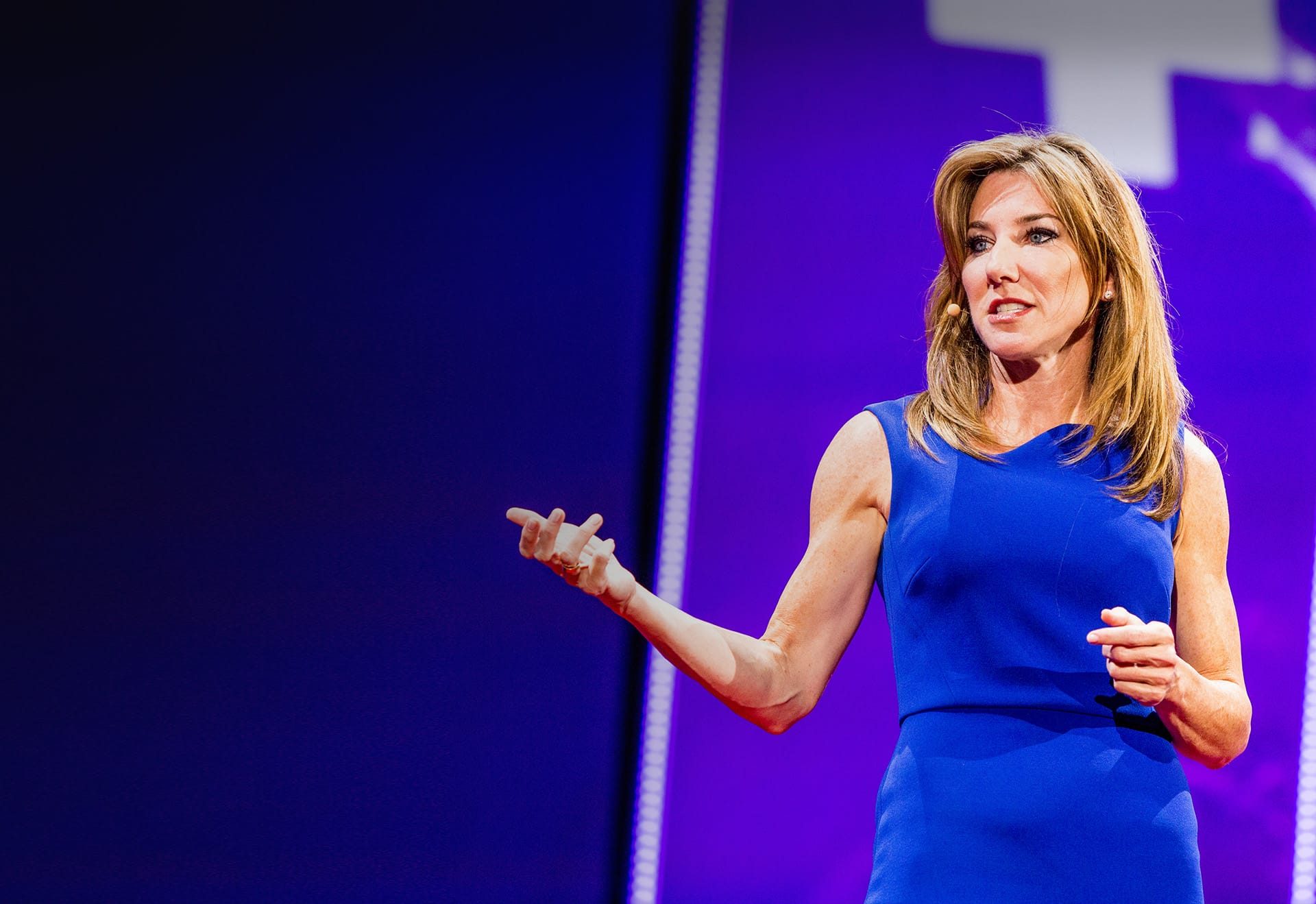
New for 2027: Laura’s flagship keynote on leadership, decision-making, and judgment
The Intuition Advantage
Sharper Judgment for a World on Autopilot
Your leaders have more answers than ever. So why aren’t they making better decisions? Because the conditions that build judgment, real reps, honest feedback, and the freedom to be wrong, are quietly disappearing. Laura shows leaders how intuition is actually built, why it’s eroding, and how to rebuild it on purpose, in themselves and across the organization.
Built on Laura’s Intuition Crisis research. Read the findings →
Bad calls happen. The real cost is when organizations stop learning.
Laura calls this The Intuition Crisis. Your people still have instincts, and they still use them. What’s disappearing is the chance to test those instincts, learn from them, and make them better, one person at a time and as a team. When that loop breaks, judgment stops improving and the whole organization stops getting smarter.
None of these people stopped trusting their gut. They stopped getting the practice and feedback that keep it sharp, and that’s something a leader can restore.
We’re not losing intuition. We’re losing the experience that sharpens it.
Daniel Kahneman spent his career documenting the flaws in gut feeling. Gary Klein spent his showing firefighters and nurses make life-saving calls in seconds. In 2009 they found where they agreed: intuition can be trusted when it’s built through repeated practice, in a setting that gives clear, timely feedback.
Experience is the ingredient, and it’s running low. The way work is structured has changed: the entry-level tasks where people logged their first thousand reps are being automated away, and remote and hybrid work removed the overheard calls and hallway debriefs where people learned judgment by watching someone else make one. So has the way people grow up: a generation raised on social media learned early that a public mistake lives forever, so they stopped taking the small risks that teach.
Moving from individual intuition to collective intelligence takes three things.
Reps
What builds it. Doing the work, again and again, long enough to see the patterns.
What’s wearing it away. Entry-level work is being automated, and the bottom rungs of the career ladder are disappearing.
Feedback
What builds it. Finding out, quickly and honestly, whether you were right.
What’s wearing it away. Remote work hides the moments where people learn by watching, and feedback arrives late, softened, or not at all.
Freedom to Be Wrong
What builds it. Room to make a call, miss, and learn without it ending a career.
What’s wearing it away. Curated perfection makes every miss public, so people stop making calls at all.
This didn’t start with AI, but AI is speeding it up.
The intuition crisis has been building for years, in how we structure work and in how we raise the people who do it.
Then AI arrived as the accelerant. It does the reps for us, smooths the feedback, and makes being wrong feel unnecessary. Every answer sounds right, so the muscle that would have caught the wrong one never gets used.
How a hunch becomes judgment, and where judgment becomes competitive advantage.
Laura’s research maps the five stages of every intuitive read. Organizations that carry their people’s reads through all five turn individual hunches into shared expertise, and they make better calls, faster. Organizations that lose them at the fourth, when it’s time to say a read out loud, keep relearning the same lessons and fall behind the ones that don’t.
Embodiment
It starts in your body. You’re reading a proposal or sitting in a meeting, and something feels off before you can say why.
Patterning
Your brain is quietly comparing this moment to every experience you’ve had. The more you’ve seen, the more material it has.
Calibration
Now you check that feeling against what’s actually in front of you. Sometimes the facts back it up, and sometimes they change your mind.
Social Validation
This is where you decide whether to say it out loud. If the room feels open, your read gets tested and gets better. If it doesn’t, most people keep it private, and the lesson is lost.
Reflection
Later, you look back at the outcome. That’s how a gut feeling gets sharper over time, but only if someone takes the time to look.
From Laura’s doctoral research: 75 interviews with CEOs, CHROs, and senior leaders about how they use intuition in their most important decisions.
73 of 75 leaders use their gut on the calls that matter most. 27 hide it.
Same leader, same instinct, different room. Silence is learned room by room, and so is openness.
That makes this a leadership problem, which means leaders can fix it. A hunch that’s said out loud can be tested, taught, and passed on. A hidden one walks out the door.
Three moves leaders can make on Monday.
Leaders leave with faster, better calls, teams who tell them when they’re wrong, and a way to turn individual intuition into organizational expertise.
Know your read.Recognize where an instinct comes from, and when it has earned your trust.
Open the room.Close the off-ramp: make it safe to say a read out loud, collect independent reads first, and speak last.
Close the loop.Build honest feedback back into the work, so experience starts teaching again.
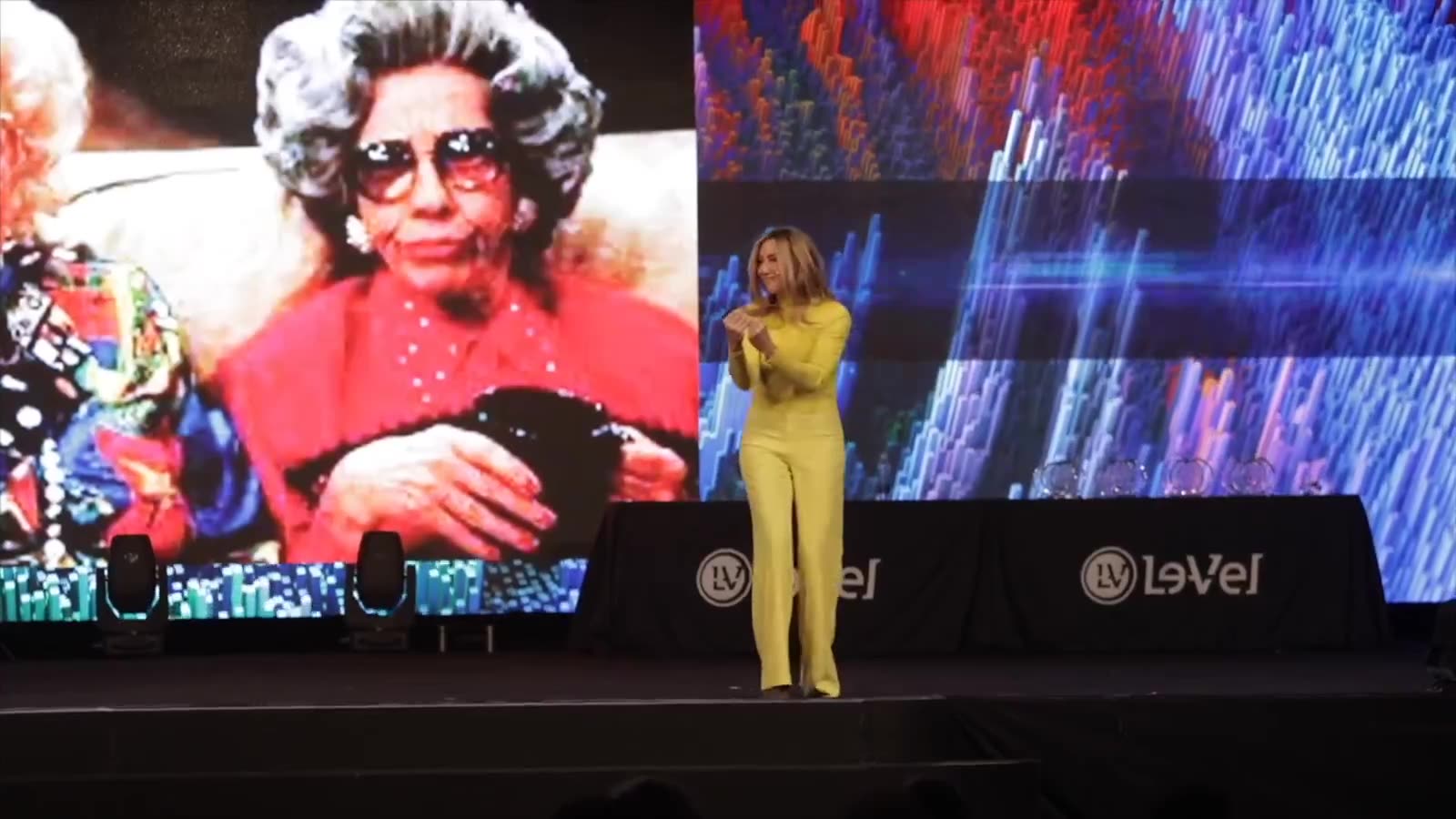
Customized keynotes, where Laura’s message meets your moment.
Every talk is customized to the decisions your audience actually makes. Bring it in as a keynote, or build on it so the change lasts. It works especially well for executive summits, AI and technology conferences, healthcare, financial and professional services, and education leadership.
Keynote
The science, the stories, and the three moves, built around your audience and their decisions.
Half-Day Working Session
Leaders bring real decisions and leave with a plan to open the room and close the loop on their own teams.
Your Own Data
Your people take one of Laura’s assessments before the event, and she brings your organization’s results to the stage.

“One of the signs of a really impactful keynote is when people continue to refer back to the concepts, and we kept coming back to Laura’s throughout other sessions all day.”
More keynotes from Laura
Your leaders will keep getting confident answers. Make sure they can tell when one is wrong.
Tell us your date, your audience, and what you need them to do differently. You’ll hear back the same business day. Bureaus welcome.