Research Judgment and decision-making
The Intuition Crisis
Why leaders hide their best judgment, and what it costs the organizations they lead
Every big decision runs on judgment. But the conditions that build judgment are disappearing from work, and the judgment people do have often never gets said out loud. Laura’s doctoral research looks at the highest-stakes calls of all, the ones about people, to show how a gut read moves from one person to a whole organization, and where it gets lost.
- 75
- in-depth interviews with people whose careers depend on reading talent
- 4
- vantage points: CEOs, CHROs, executive recruiters, and hiring managers
- 5
- stages every intuitive read moves through
- 2027
- the year it reaches the stage, as The Intuition Advantage keynote
The science of intuition didn’t change. The conditions that build it did.
Daniel Kahneman spent his career documenting the flaws in gut feeling. Gary Klein spent his showing firefighters and nurses make life-saving calls in seconds. In 2009 they found where they agreed: intuition can be trusted when it’s built through repeated practice, in a setting that gives clear, timely feedback.
Those are exactly the conditions work is losing. Entry-level tasks, where people logged their first thousand reps, are being automated. Remote and hybrid work removed the overheard calls and hallway debriefs where people learned by watching. A generation raised on social media learned that a public mistake lives forever, so they stopped taking the small risks that teach. This didn’t start with AI, but AI is speeding it up.
People still have instincts, and they still use them. What’s disappearing is the chance to test them, learn from them, and make them better.
Every big decision runs on judgment.
And the conditions that build judgment are quietly disappearing from work.

Nearly every leader uses their gut. More than a third hide it.
Laura interviewed 7 CEOs, 32 CHROs, 22 executive recruiters, and 14 hiring managers about the calls they make on people: who gets hired, who gets promoted, and who gets the next big assignment. Every transcript was read in full and coded line by line, and every number on this page comes from those conversations.
73
of 75 use intuition in real decisions, whatever their doubts about it.
46
are uncomfortable admitting it.
27
hide it. 14 keep quiet in rooms that are hostile to intuition. 13 dress the read up as data in rooms that are skeptical of it.
22
of those 27 speak about it openly in another room.
Laura’s term for it
Selective epistemic suppression
People know something, and the room teaches them to hide it.
The quieter half of the crisis is what people choose not to say. Leaders decide, room by room, whether to share what their gut is telling them. In a room that feels open, they speak up. In one that doesn’t, they keep the read private or dress it up as data.
Same leader, same instinct, different room. That’s the good news hiding in the data: if silence is learned room by room, so is openness. A hunch that never gets said out loud never gets tested, and the organization loses the lesson. A leader who changes the room gets it back.
From individual intuition to collective intelligence.
A gut read about a person moves through five stages. As it does, it moves outward, from a private feeling to something a whole organization can remember, and the responsibility for improving it moves with it. Individuals can learn the early stages. The later stages depend on leaders and organizations.
Embodiment and Patterning
Private
Individual intuition
Who has to learn it: Individuals. Notice the signal, check where it comes from, and put it into words.
Calibration
Shared
Relational intuition
Who has to learn it: Individuals and teams. Hold the read as a hypothesis, test it, and let a colleague overturn it.
Validation
Voiced
Collective intuition
Who has to learn it: Leaders. Make it safe to say a read out loud, collect independent reads first, and speak last.
Reflection
Remembered
Organizational memory
Who has to learn it: The organization. Keep the record: write reads down before the outcome and revisit them after.
The off-ramp. At Validation, a read that gets renamed so it will be accepted skips the test entirely. It reaches the decision untouched, and nobody learns whether it was right.
The missing half. At Reflection, hiring only shows how the people you said yes to turned out. It never shows the people you passed on, so half the feedback never arrives.
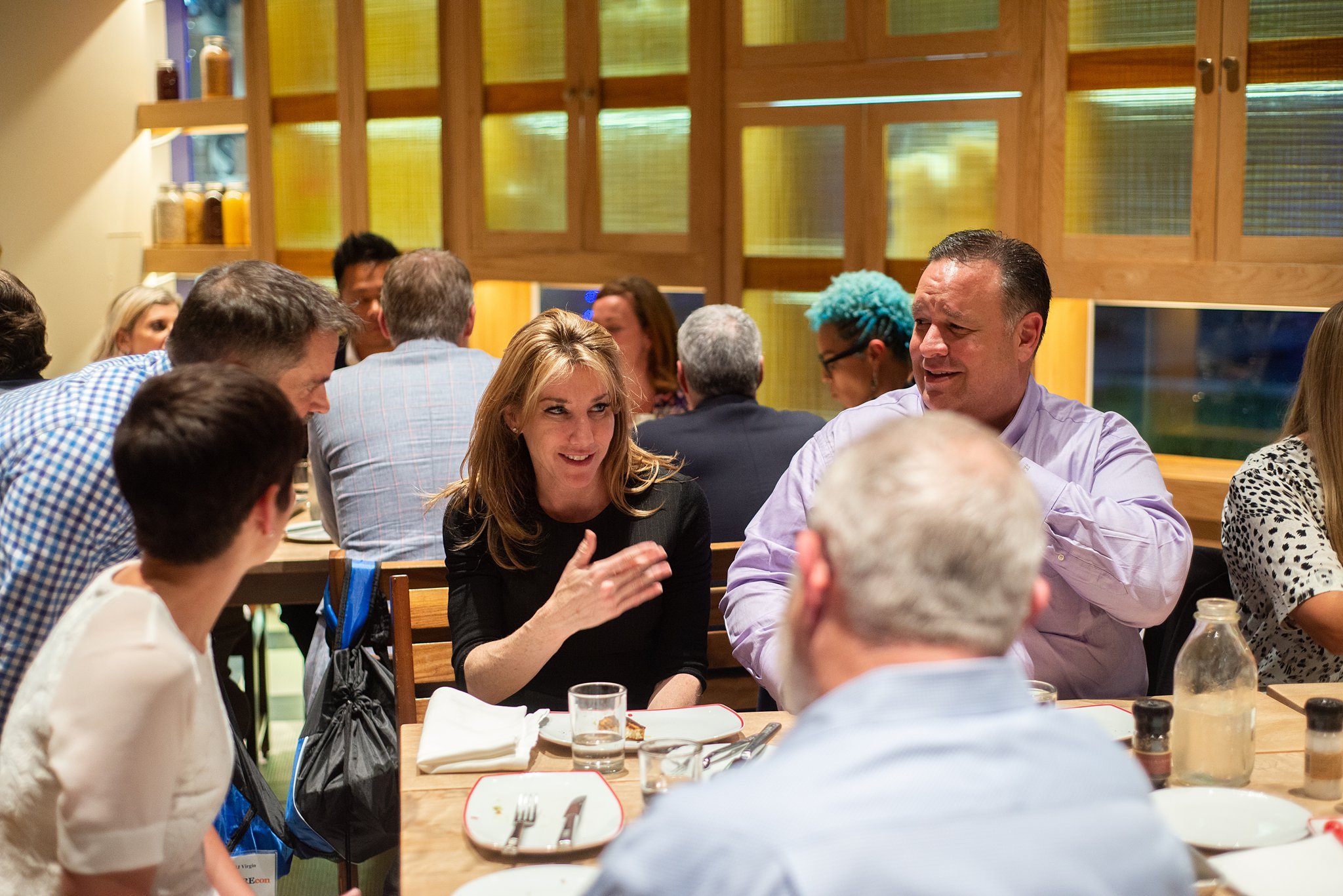
The answer isn’t less intuition. It’s organizations that let intuition learn.
Six findings leaders can use.
This is active doctoral research at Babson College. These are qualitative findings from the first 75 interviews, with more interviews and a follow-up survey still ahead.
A feeling, then a match.
The physical reaction and the pattern match arrive almost together, and the setting decides which comes first: on paper the match leads, in person the feeling does. They draw on different skills, so they can be trained separately.
Slowing down is how people get better.
The most common way people deliberately improve their intuition is pausing to test a read before acting on it, not deciding faster.
Other people catch what you miss.
Of the leaders who describe a check that reversed their read, many say the reversal came from someone else, not from checking their own work.
The room decides.
Where the setting is known, nearly every case of a leader disguising a read happened in a room hostile to intuition. The same people voice their reads freely where it’s safe.
Experts hide it from the people paying for it.
Most executive recruiters translate a read into evidence before they present it to clients, including many who are proud of their intuition.
Everyone builds their own toolkit, alone.
Leaders described more than 160 homemade safeguards against their own bias, built without names, without sharing, and without knowing which ones work.
What fills the silence: borrowed certainty.
When people stop saying what their own judgment tells them, decisions default to whoever, or whatever, sounds most confident. There’s already a name for that: borrowed certainty. Laura’s research shows where it comes from: rooms that punish an unexplained read, and feedback that never arrives.
AI makes borrowed certainty cheap. It hands every one of us a fluent, confident answer, in a moment when fewer people have the experience to tell when it’s wrong.
The fix is infrastructure, not humility.
Individuals can get better at the early stages on their own. The later stages need an organization that remembers. These five practices come straight out of the gaps the research found.
- Write the read down first.Record reads before anyone knows how the decision turns out, including the gut no’s, so hindsight can’t rewrite them.
- Go back and check.Revisit decisions against the original reads at six and twelve months.
- Treat overruled reads as experiments.When a gut no is overruled and the decision goes ahead anyway, the organization finally learns whether the no was right. Logging dissent captures that on purpose.
- Pool what people learn.Combine records across everyone who makes these calls, so thin individual feedback becomes a pattern the whole organization can see.
- Debrief after the outcome, too.Most debriefs happen before anyone knows how a decision turned out. Add one after, blamelessly, and focus on the misses.
Go further.
The essay
The Coming Intuition Crisis
Laura’s long read on why judgment is getting harder to build, and what leaders can do about it.
The diagnostic
The Judgment Check
Is your judgment as good as you think it is, and is your organization learning from it? Coming soon.
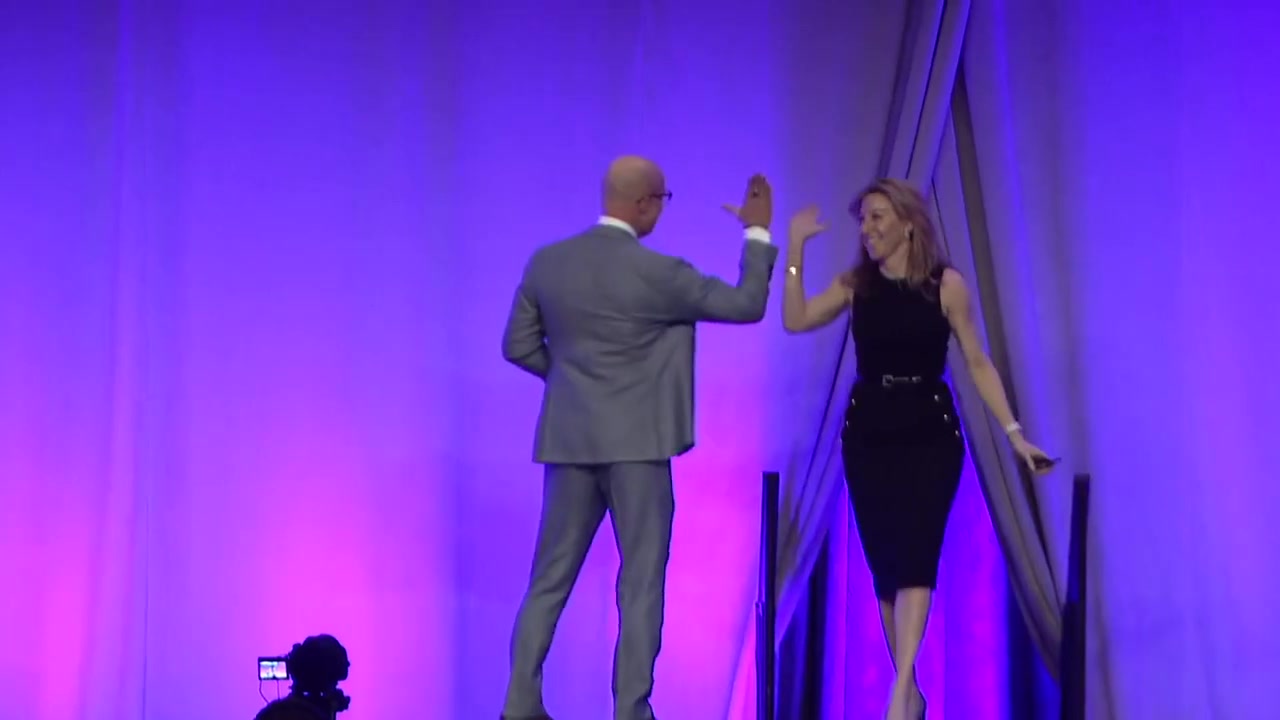
The keynote
The Intuition Advantage
The research, the stories, and three moves leaders can make on Monday, customized for your audience.
The book
The Intuition Advantage
Laura’s next book, built on this research. Expected June 2028.
Your people already have the judgment. Build the room that lets them use it.
Bring this research to your leaders as a keynote, a half-day working session, or with your own organization’s data, or work with Laura one-on-one through advisory. You’ll hear back the same business day. Bureaus welcome.