
Laura’s keynote on ambition, high performance, and what comes after the win
The Weight of Ambition
Why Success Doesn’t Feel Like It Should, and What to Do About It
Your team hit the goal. So why doesn’t winning feel better? Because success is wonderful, but it’s also hell. It isn’t a destination; it’s a portal, and on the other side wait doubt, impostor syndrome, pressure, and burnout. Drawn from interviews with more than 100 extraordinary achievers, this keynote shows leaders how to keep their highest performers performing, and thriving, at every level.
Your highest performers are the ones most at risk.
In twenty years of executive search, Laura watched the same thing happen every time an internal candidate interviewed for the bigger job but didn’t get it: they eventually left. Once they had imagined themselves in the bigger role, they couldn’t unsee it. And this is happening on your team every time you achieve success.
Ambition doesn’t switch off after the promotion, the launch, or the record quarter. It gets louder, but also more uncertain. Like a siren song, it calls out to your highest performers, teasing them with the burden of their own potential. Leaders who don’t know how to work with it lose the very people they worked hardest to grow.
We shouldn’t just aim to survive the stress of success. We should learn to thrive in it instead.
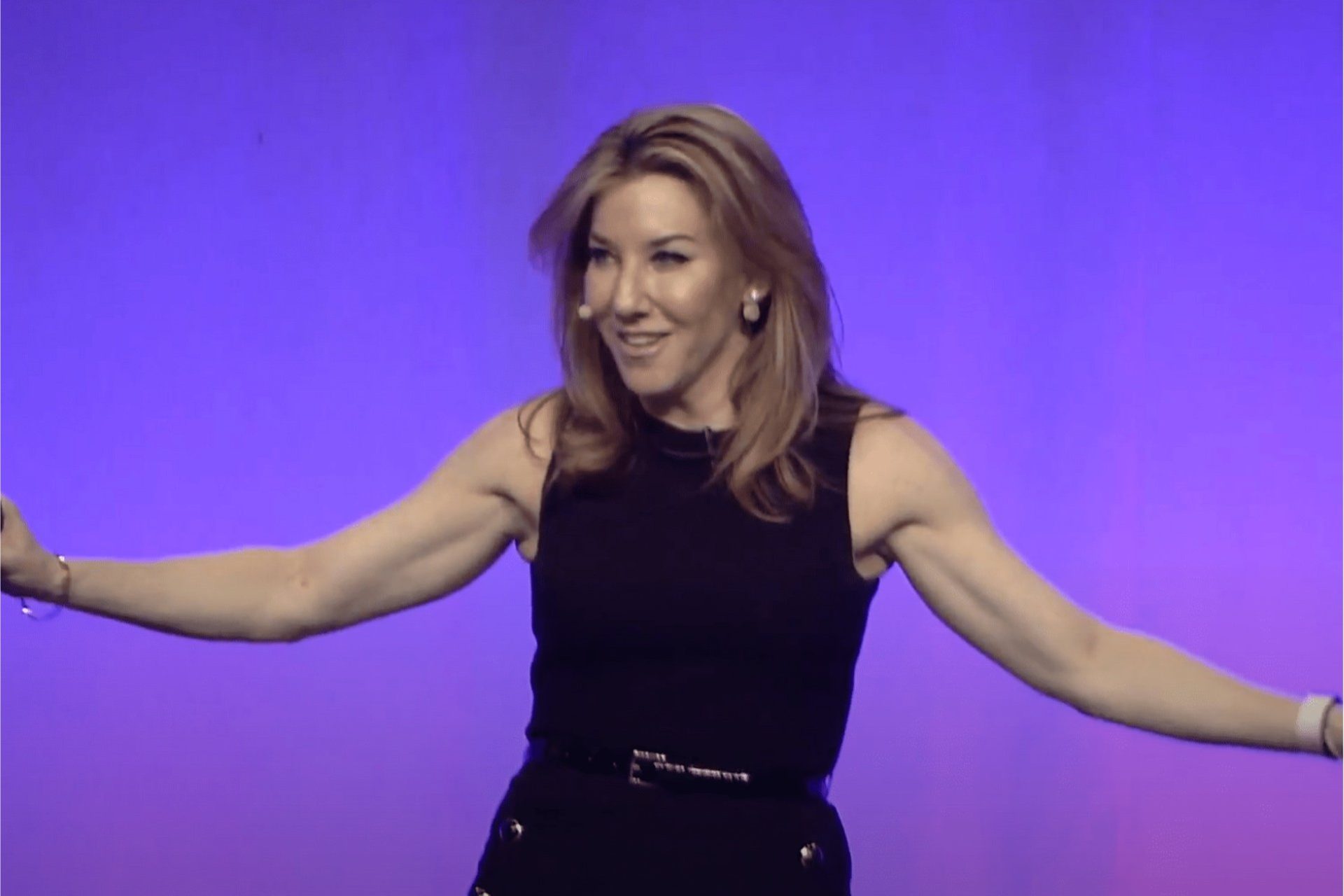
Every new level brings a new devil.
Three towns, fifteen practices, one way forward.
In Wonderhell, Laura maps the journey after a win like a day at an amusement park that stops being fun somewhere around the third ride. Each town brings its own challenge, and each holds five practices that carried the people she interviewed to the other side.
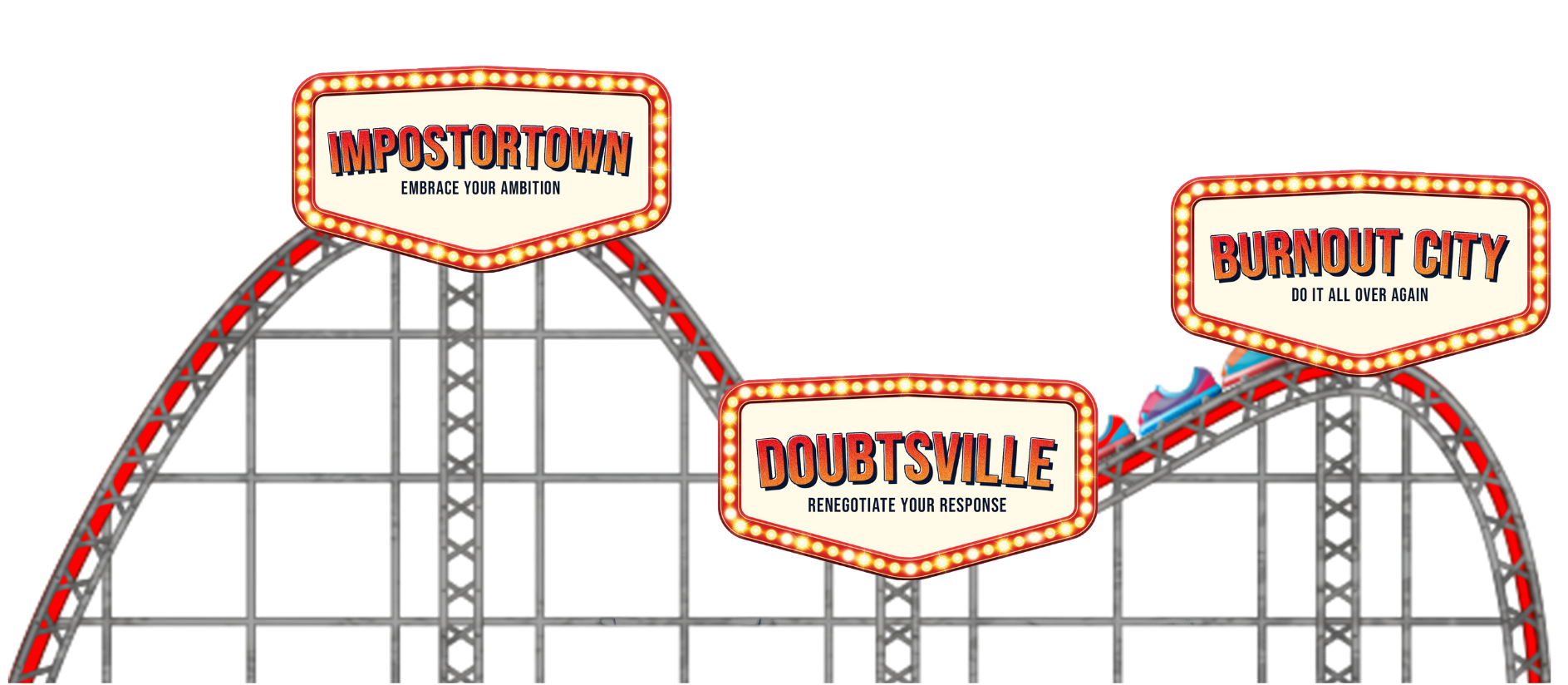
Impostortown
Embrace your ambition
- Learning to play bigger
- Making your own luck
- Figuring out who you are
- Living into your truest self
- Letting go of your demons
Doubtsville
Renegotiate your response
- Managing uncertainty
- Flying without a net
- Finding your own way
- Gaining perspective on other people
- Going farther together
Burnout City
Do it all over again
- Saying no to hustleporn
- Focusing on what matters
- Quieting perfectionist tendencies
- Standing tall when the floor drops out
- Adopting a beginner’s mindset
Fifteen practices. Your audience gets the three it needs most.
Before every event, Laura works with you to co-create a message that meets your team’s moment. She picks one practice from each town, the ones that fit your audience and what they just achieved, and builds the keynote around them.

Wonderhell isn’t a problem to fix.It’s a sign you’re on the right track.
The people who thrive here rewrite their setbacks as stories of redemption (“this made me”) rather than contamination (“this ruined me”), and that single move predicts higher well-being and drive. (Dan McAdams, Northwestern)
Lasting change starts with a vivid picture of who you’re becoming, fueled by hope and resonant relationships, not by fear of who you’ve been. (Richard Boyatzis, Case Western Reserve)
Three moves for every new level.
Leaders leave with a way to keep high performers performing, and enjoying it, as the stakes rise.
Embrace the ambition.Stop letting impostor syndrome gaslight your people out of the room they just earned.
Renegotiate the response.Manage your narrative identity and values to turn doubt from a limitation to an invitation, and learn to fly without a net.
Do it all over again.Build valuable habits that let your best people climb the next hill without burning out on this one.

Customized keynotes, where Laura’s message meets your moment.
Every talk is customized to the decisions your audience actually makes. Bring it in as a keynote, or build on it so the change lasts. It works especially well for high-growth companies, sales leadership, and entrepreneur groups.
Keynote
The stories, the science, and the three towns, built around your audience and what they just achieved.
Half-Day Working Session
Teams name where they are in Wonderhell and build a plan for the next climb.
Your Own Data
Your people take one of Laura’s assessments before the event, and she brings your organization’s results to the stage.
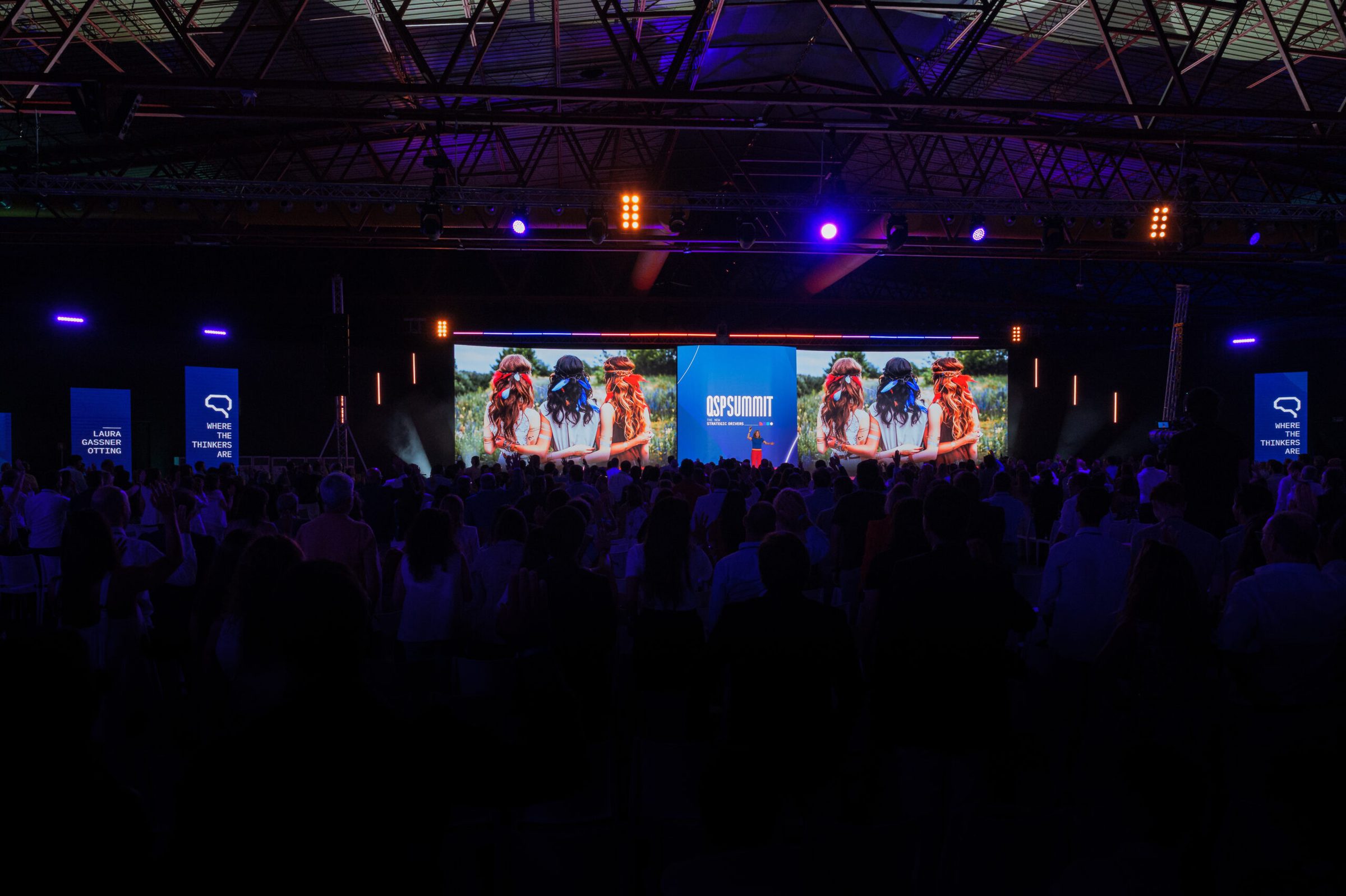
“A year plus later, we are still talking about the lessons she taught us with candor, heart, grit, and guidance.”
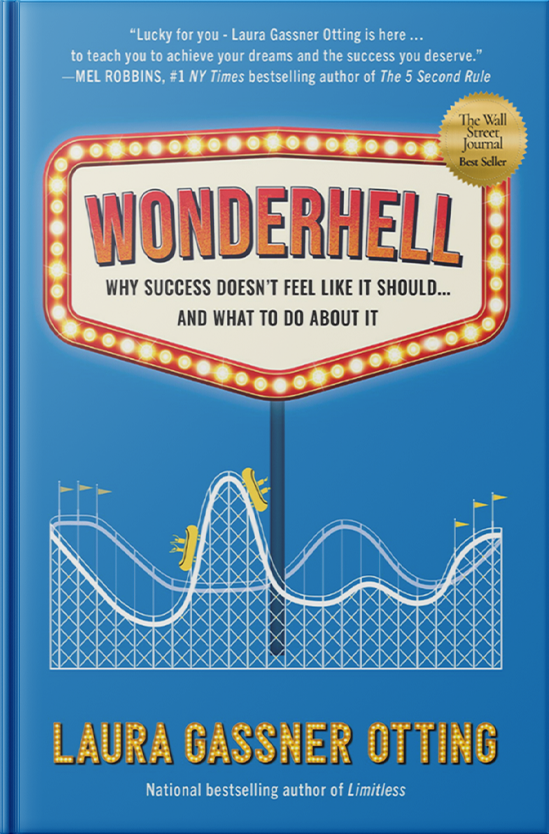
The book
Wonderhell

Why success doesn’t feel like it should, and what to do about it
The book behind this keynote. Give every attendee a copy, and the fifteen practices go home with them for the next climb.
- Wall Street Journal bestseller
- Born from the TEDx talk with more than 3 million views
- Drawn from more than 100 interviews with people who made it through
More keynotes from Laura
The Intuition Advantage
Your leaders have more answers than ever. So why aren’t we making better decisions?
The Talent Paradox
Your gut says, “I’ll know it when I see it.” But are we seeing potential, or just polish?
The Limitless Leader
Your people are quietly checking out. Whose scorecard are we asking them to use?
Your team already won. Help them want to do it again.
Tell us your date, your audience, and what you need them to do differently. You’ll hear back the same business day. Bureaus welcome.
Asked and answered
Questions about ambition and success
What is Wonderhell?
Wonderhell is Laura Gassner Otting’s word for the place where success is wonderful and also hell. A win isn’t a destination; it’s a portal, and on the other side wait doubt, impostor syndrome, pressure, and burnout. Her book Wonderhell, a #2 Wall Street Journal bestseller, maps that journey through three towns: Impostortown, Doubtsville, and Burnout City.
Why doesn’t success feel the way it should?
Because ambition doesn’t switch off after the promotion, the launch, or the record quarter; it gets louder and less certain. Every new level brings a new devil. Laura’s interviews with more than 100 high achievers found that the people who thrive treat that discomfort as a sign they’re on the right track, not a problem to fix.
Why do high performers leave after a big win?
Once people have imagined themselves in a bigger role, they can’t unsee it. In twenty years of executive search, Laura watched internal candidates who interviewed for the bigger job and didn’t get it eventually leave. Leaders who don’t know how to work with ambition lose the people they worked hardest to grow.
How do you avoid burnout after success?
Laura’s three moves: embrace the ambition instead of letting impostor syndrome talk you out of the room you earned; renegotiate your response, so doubt becomes an invitation instead of a limit; and do it all over again, with habits that let you climb the next hill without burning out on this one.