Research Talent and potential
The Talent Paradox
Spotting and stoking potential in ourselves and the people who matter most
We’ve been trained to recognize performance after the fact. We should be learning to spot the patterns that predict it. Built on two decades of executive search and Laura’s doctoral research with the people who read talent for a living, this work shows what predicts who can grow, and how leaders can see it in the people already in front of them.
- 20
- years leading executive searches for some of the most consequential roles in the country
- 1,000s
- of candidates read for CEO, board, and leadership roles
- 9
- behaviors that predict who can grow
- 3
- families those behaviors fall into
We keep looking for what we’ve seen before, so we stay where we’ve been.
We’ve been taught to look for greatness in the obvious places: fancy degrees, impressive résumés, big titles, and familiar faces. We tell ourselves we’ll know it when we see it. But if you’ll know it when you see it, you’ve already seen it before, and if you only back what you’ve seen before, you stay constrained to where you’ve been.
Two decades of executive search taught Laura one lesson again and again: greatness rarely looks like what we expect. The question isn’t how to go find it. It’s how to see it in the people already in front of you.
Every miss has two costs: the person you backed who couldn’t grow, and the one you overlooked who could have.
The people who keep growing rarely look like rock stars.
They look like the person already sitting in your meeting, waiting for someone to see where they could go.
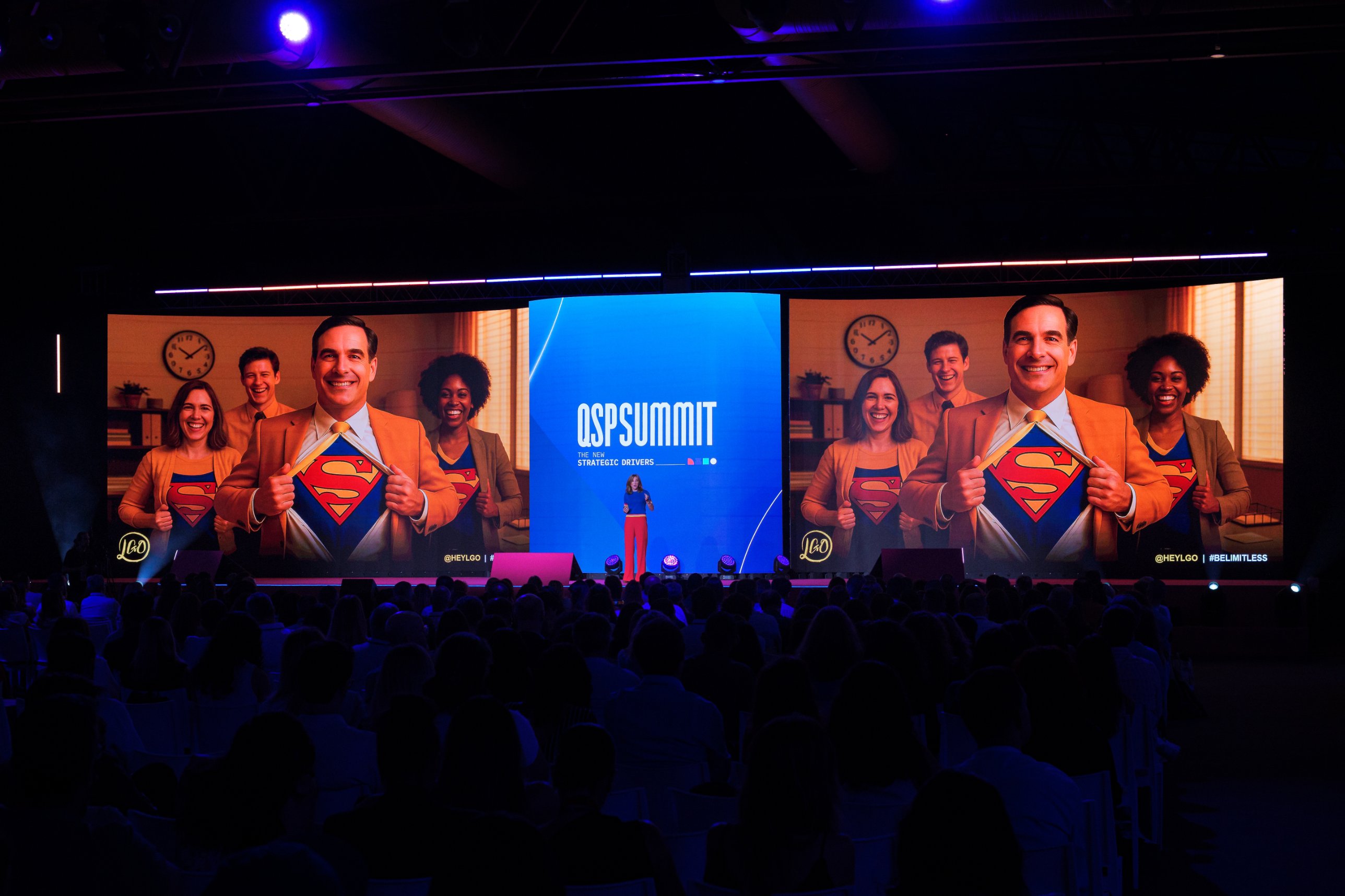
Greatness lives in everyday heroes, not rock stars.
We chase rock stars: the high achiever, the agile learner, the team energizer. Each one shines at one thing and goes blind at the rest. Underneath the people who keep growing are nine behaviors in three families. Where the families overlap, latent talent becomes leadership.
Hunger
High Achievers
Hunger
How much they want it.
Volition
They’re driven from the inside, not by the reward.
Tenacity
They take failure in stride and keep going.
Adaptability
Agile Learners
Plasticity
They take what they learned in one area and apply it in another.
Agility
How fast they get from failure to fix.
Curiosity
An insatiable need to understand what is, and what could be.
Inspiration
Team Energizers
Wonder
They see possibility in the face of challenges.
Weight
A presence and seriousness that earn the trust of colleagues and clients.
Empathy
They can put themselves in other people’s shoes.
Where the families overlap
Catalyst
Hunger + inspiration
Where High Achievers and Team Energizers overlap
Innovator
Hunger + adaptability
Where High Achievers and Agile Learners overlap
Mentor
Inspiration + adaptability
Where Team Energizers and Agile Learners overlap
Three shifts you can make today.
Spotting potential is only half the work. Stoking it is the other half, and it starts with how leaders look, what they say, and what they’re willing to risk.
Change your lens.
Evaluate people by where they could go, not only where they’ve been.
Change their story.
Help them rewrite who they believe they are, and claim the strengths they’ve been hiding.
Change the stakes.
Give them real stretch: assignments, decisions, and roles that let them rise.
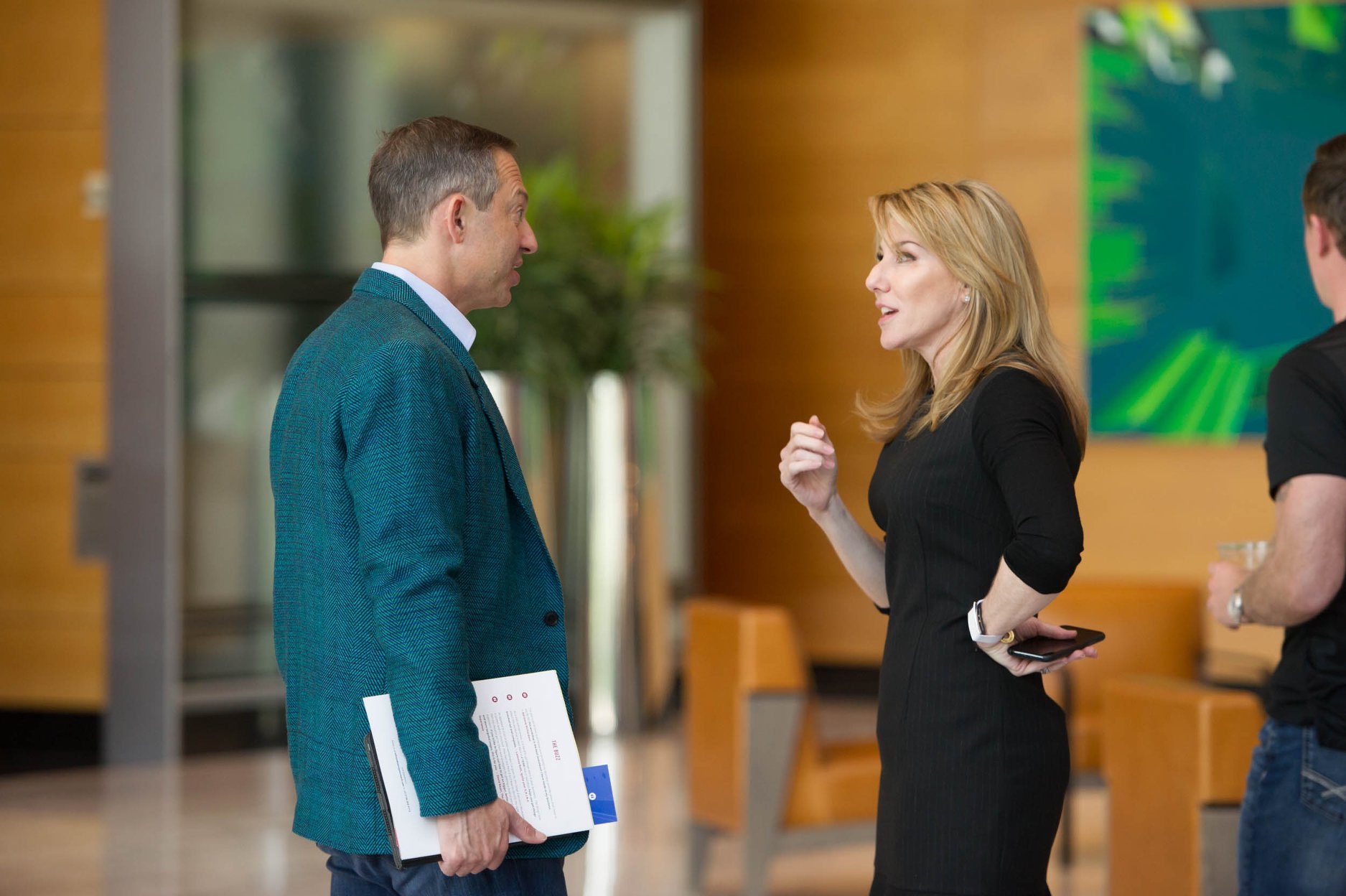
Greatness isn’t something you hire. It’s something you hone.
What the best talent spotters do differently.
From Laura’s doctoral interviews with CEOs, CHROs, executive recruiters, and hiring managers. This is active research: qualitative findings now, with more interviews and a follow-up survey ahead.
A feeling before a thought.
Evaluators register a pull toward a candidate before they can explain it. The body reads the pattern before the mind can name it.
Read the system, not just the person.
Intuition is strongest when the evaluator deeply understands the culture the candidate will land in, and weakest when they don’t.
Charisma creates false positives.
The most common way good evaluators get fooled: mistaking polish and presence for potential.
Intuition is not bias.
Experts insist the two differ. Intuition is subconscious, emergent, and hard to name. Bias is immediate, visual, and surface-level.
More teachable than anyone admits.
Most first say intuition can’t be taught. Then they describe exactly how they built theirs: reflection, exposure to patterns, and honest review of their misses.
The best blend gut and evidence.
The strongest talent spotters don’t choose between the two. They pair a fast intuitive read with disciplined judgment, and they can say which is which.
Go further.
The book
The Talent Paradox
Laura’s book on spotting and stoking the potential already on your team. Coming soon.
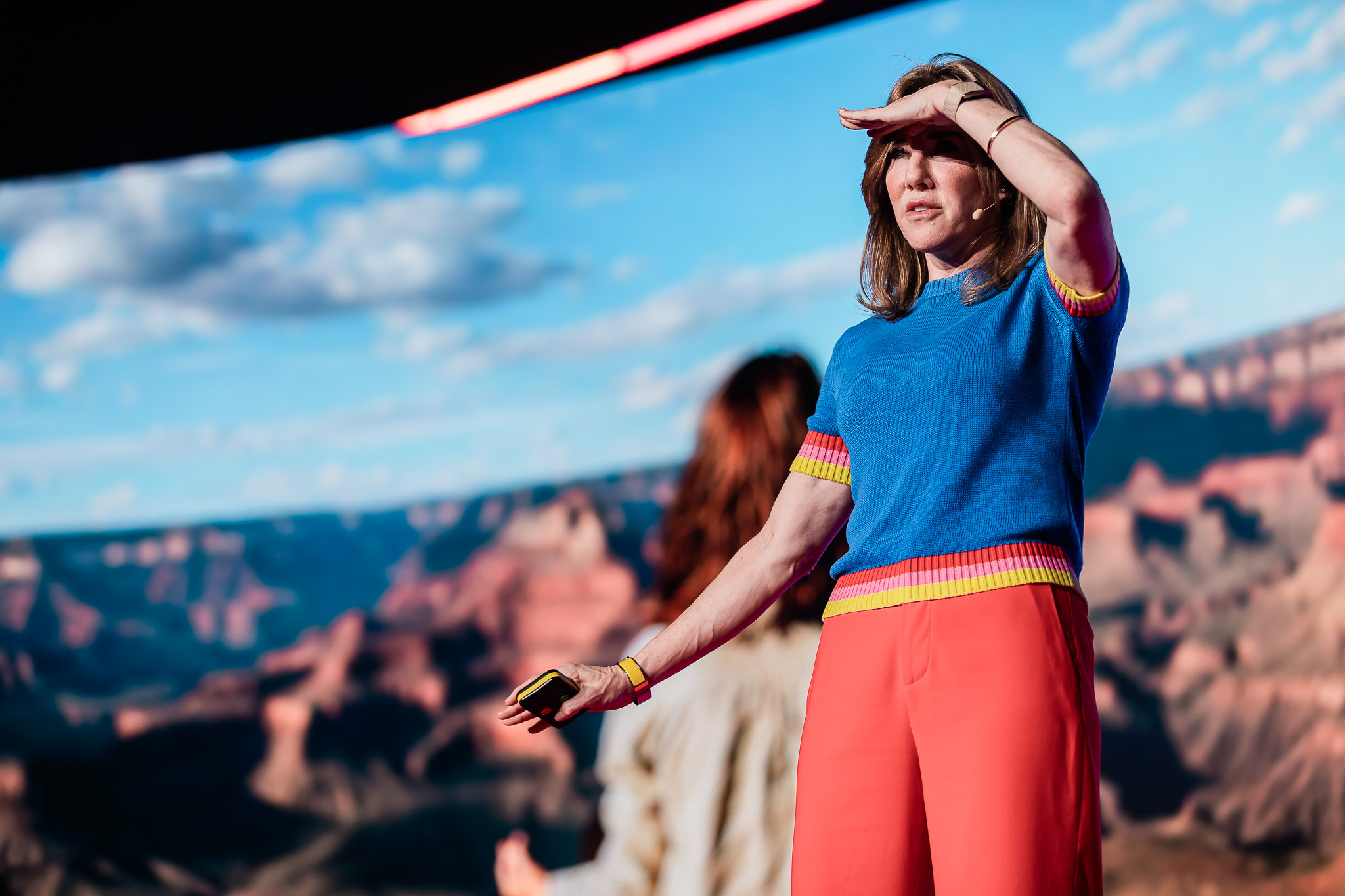
The keynote
The Talent Paradox
How the legendary talent spotters see what the rest of us miss, customized for your audience.
Related research
The Intuition Crisis
Why leaders hide their best judgment, and what it costs the organizations they lead.
Advisory
Executive Coaching
Build the muscle of spotting and stoking potential across your leadership team.
Greatness is already on your team. Teach your leaders to see it.
Bring this research to your leaders as a keynote, a half-day working session, or with your own organization’s data, or work with Laura one-on-one through advisory. You’ll hear back the same business day. Bureaus welcome.