
Towards a More Engaged Workforce
20 Years of Executive Search + 10 Years of Global Workforce Engagement Data
THE PROBLEM
Disengagement is the most expensive problem, and we insist on measuring it with an outdated scorecard.
For twenty years I was a retained executive recruiter. My whole job was calling people who were, by every external measure, wildly successful — and convincing them to blow up their lives for a new role. It should have been hard. It wasn't. They were successful. They just weren't happy. So they called me back.
I became fascinated about how people could achieve great success but still not feel fulfilled, engaged, and inspired. So I decided to learn why this was, and how each of us can excite our teams to bring everything they are to everything they do.
It turns out that the very thing that made me good as a recruiter made me terrible as a leader. As a recruiter, I'd listen for the scorecard everyone uses — inspiration, mission, challenge, impact, skills, prestige, location, money. Eight factors that capture the value of a job. They say nothing about the value of a job to a particular person — and that, the data shows, is the only thing that actually moves anyone.
Meanwhile, global engagement sits at just 23% — barely one in five — and disengagement drains an estimated $8.8 trillion a year, nearly 9% of global GDP. We assume people stay for advancement and money. Only 37% rank pay as the most important factor in their happiness at work. The thing that actually keeps them is meaning, relevance, and the sense that someone sees them.
of employees worldwide are actually engaged at work
lost to low engagement every year — about 9% of global GDP
of employees worldwide are actually engaged at work
Sources: engagement and cost figures, Gallup State of the Global Workplace (2024). Pay finding, Laura Gassner Otting's workforce engagement research.
THE 4 C'S: Success doesn't bring happiness. Consonance does.
The thing I felt as a recruiter — the moment a candidate's eyes lit up and they got animated, dreamy, and bold — has a name.
Consonance: the alignment between what you do and who you are. When it's there, people walk through fire. When it's missing, even outwardly successful people quietly disengage and start taking recruiters' calls.
Across a seven-year global study — nearly 10,000 responses from 113 countries, every demographic and every industry — consonance rests on four pillars that predict engagement, retention, and performance better than any traditional HR lever. And the same four C's that decide whether you thrive decide whether your people stay.
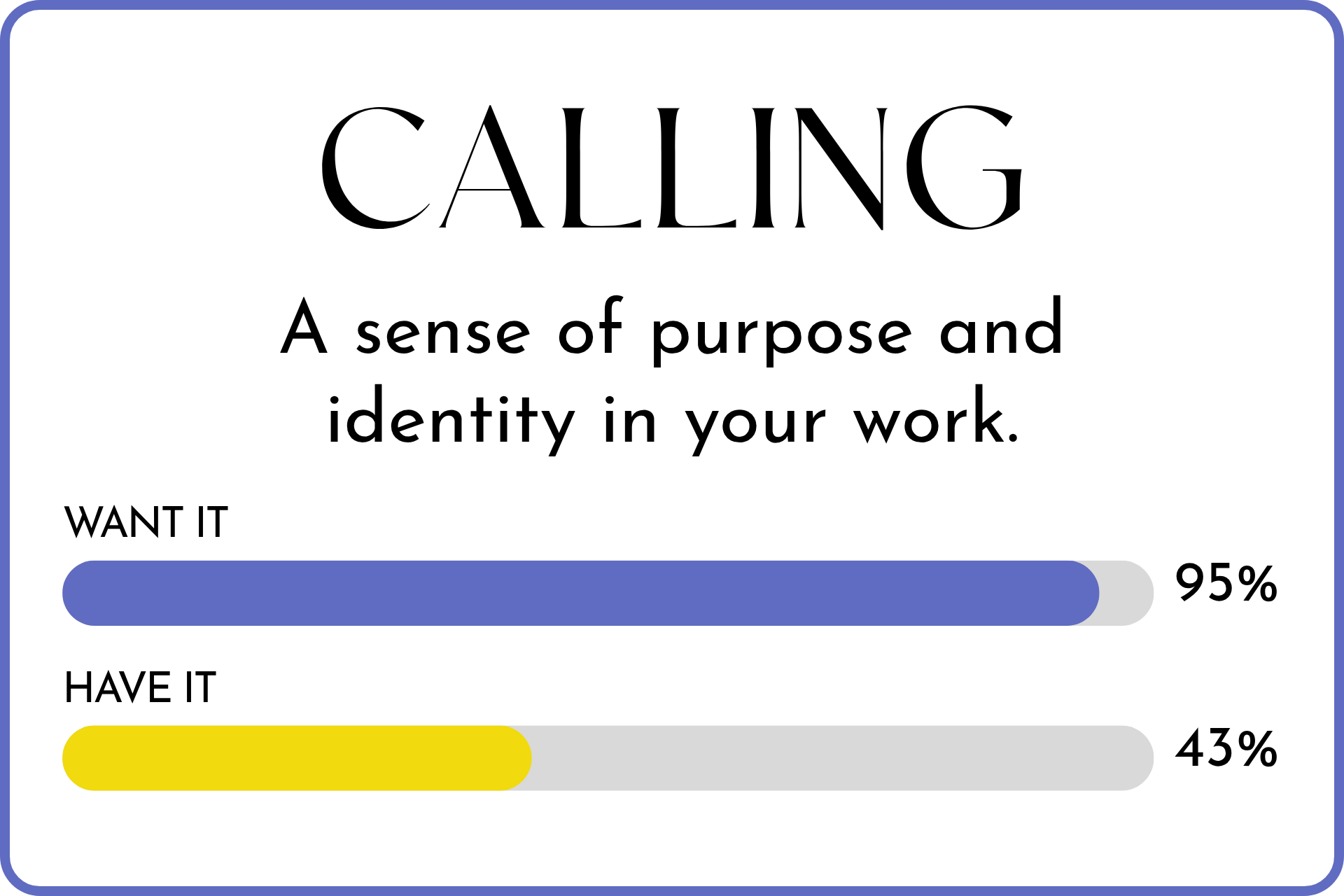
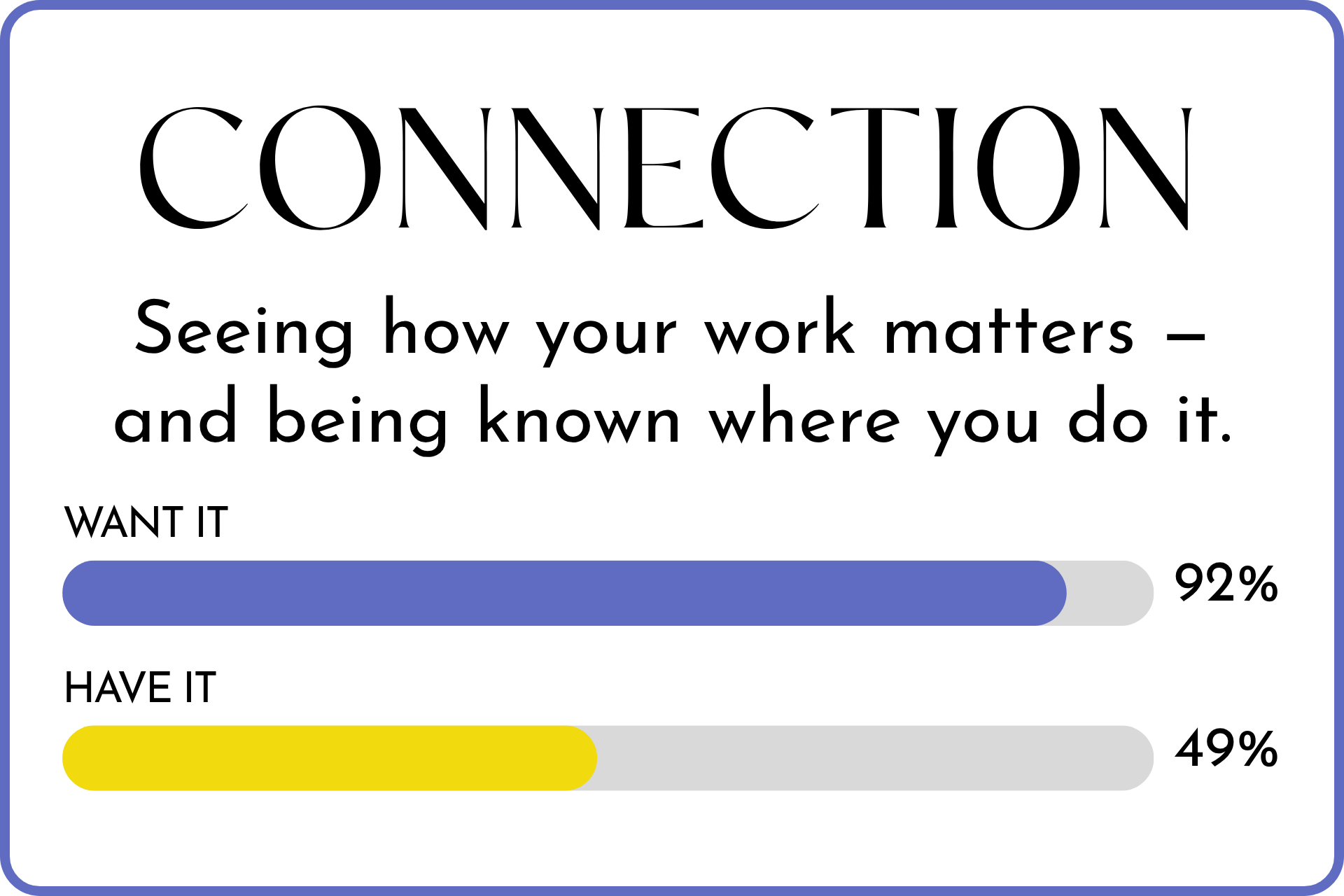
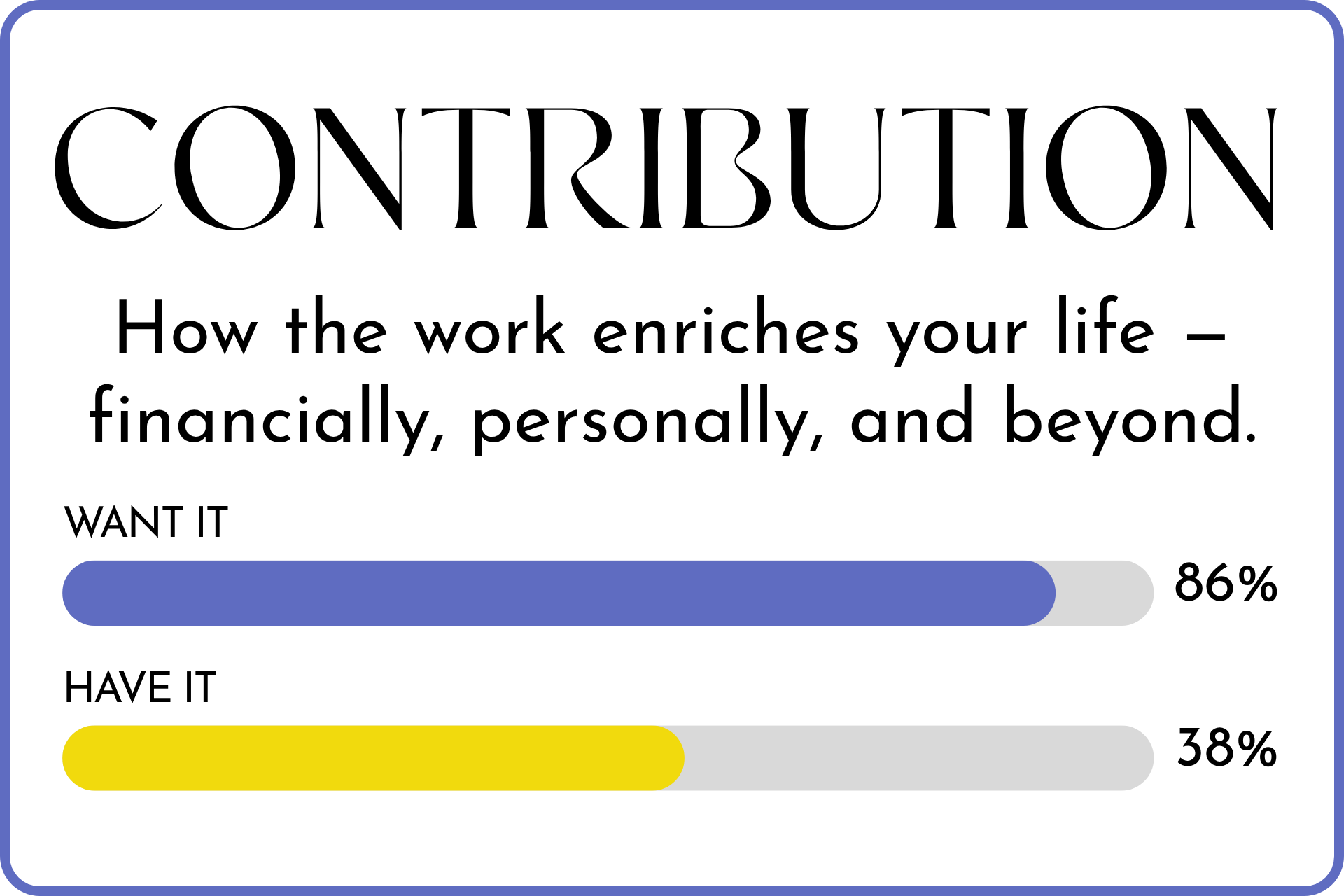
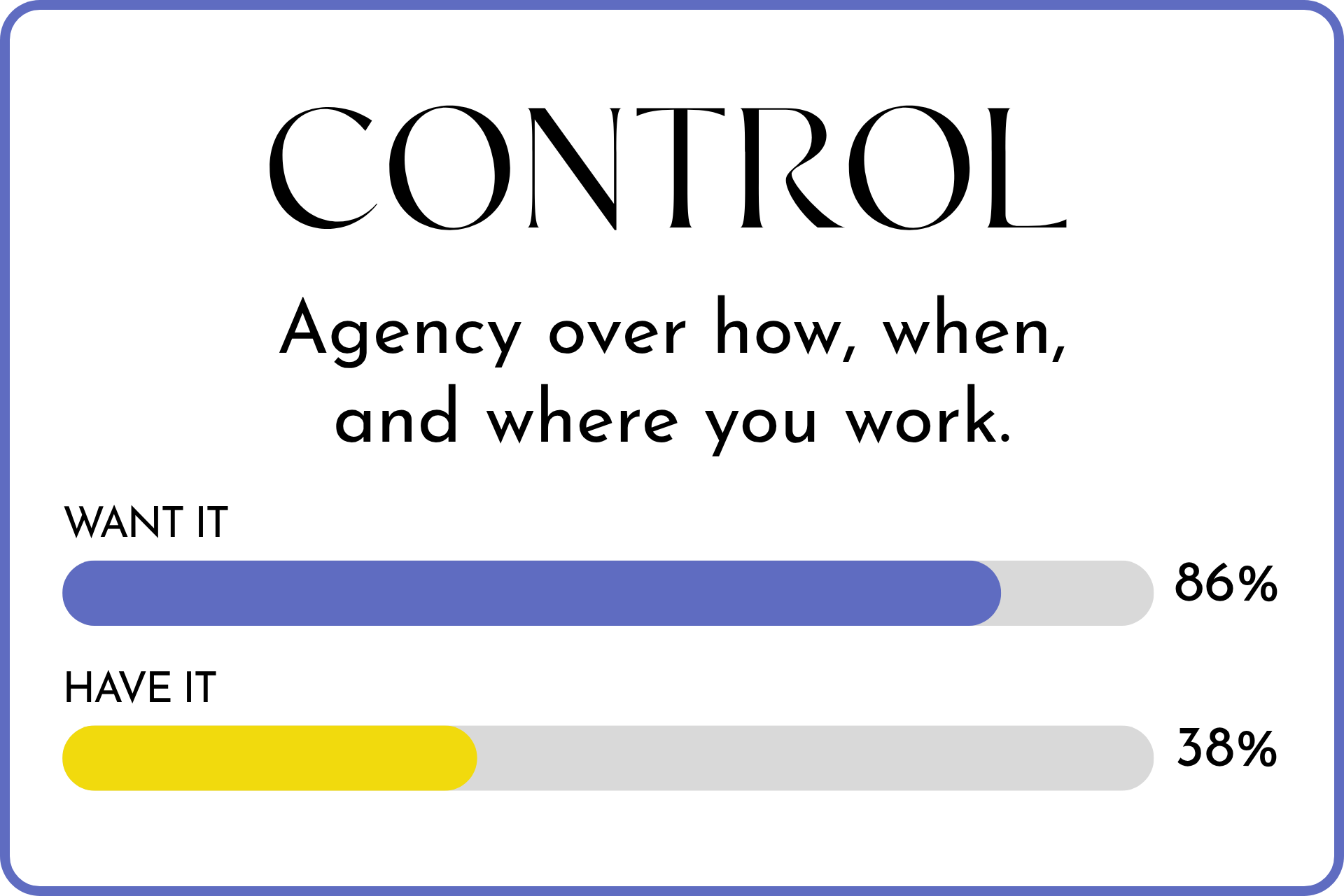
Source: Laura Gassner Otting's seven-year workforce engagement study — ~10,000 responses across 113 countries.
Miss any one, and you don't have a satisfied employee. You have a resignation that hasn't been written yet.
What we learned from 10,000 responses.
Across a seven-year study of nearly 10,000 workers in 113 countries, the same pattern repeats: people want far more from work than they have — and they leave when they don't feel seen.
want work that inspires them
have a leader who delivers it
are the best version of themselves at work
would work harder if it mattered more
value relevance over power
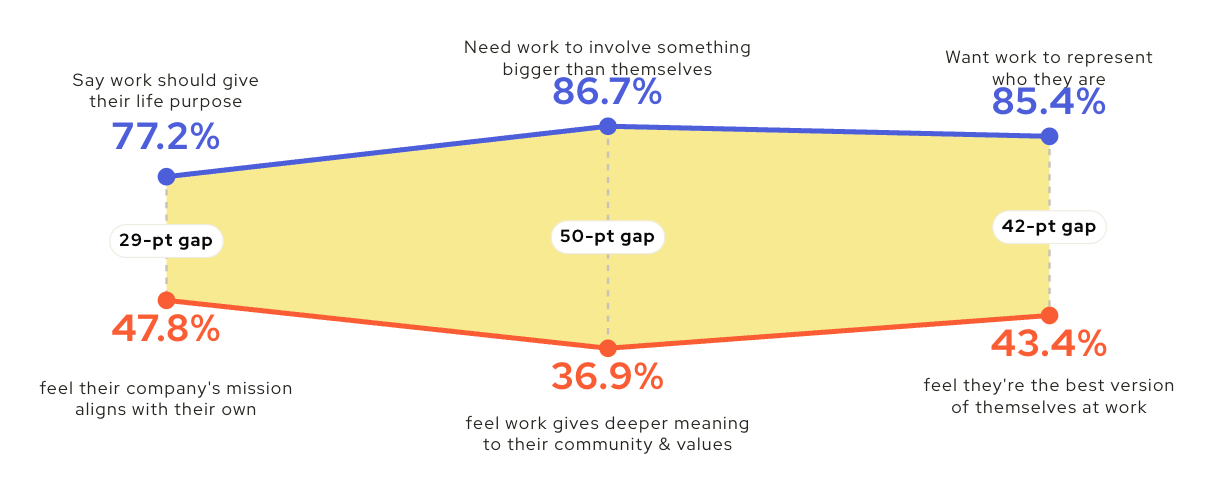
THE GAP
What We Want vs. What We Have
BY GENERATION
The Drive to "Get Ahead" Fades with Age

THE RELATIONSHIP
Good Leaders Lose Good People, too.
Share who do their best work when the relationship with their leader is real
…when the leader is capable, but there's no real relationship
What predicts whether your best people stay isn't how good you look as a boss — it's whether they feel known. A capable leader with no real relationship gets less than half the effort of one who has it.
Source: Laura Gassner Otting's seven-year workforce engagement study.
So what makes people feel they have a relationship with their leader?
"There are a million miles between being loved and being seen."
They feel known
The leader understands what brings them to life — not just what's in their job description.
They have a real say
Their opinion actually shapes the decisions that affect them.
They can reach for growth
They're empowered to seek feedback and mentoring from many sources.
They see why it matters
A clear line of sight from their daily work to the bigger picture — the leader sees their problem and carries it with them.
Engagement starts with meaning making
Four moves, one per C — do them for yourself, or for the people you lead.
CALLING
FOR YOU
Write your own scorecard
Decide which factors actually matter to you now — not the ones handed to you at seventeen.
FOR YOUR TEAM
Start with calling
Connect the dots so people see how their daily work matters. Inspiration isn't a speech; it's making the work legible.
CONNECTION
FOR YOU
Put yourself where you're seen
Seek the work and the rooms where the best of you is called on and known; stop auditioning where you're not.
FOR YOUR TEAM
Make your people the hero
Trade "How can I help?" for "What needs to happen?" — so they're the one who acts and matters. Get close to the work, not above it.
CONTRIBUTION
FOR YOU
Define what "enough" means to you
Name how you want work to enrich your life beyond the paycheck, and measure against that.
FOR YOUR TEAM
Start with calling
Connect the dots so people see how their daily work matters. Inspiration isn't a speech; it's making the work legible.
CONTROL
FOR YOU
Trade limitations for invitations
Every limit someone placed on you is an invitation to stop letting them hold the scorecard. Claim the say you can.
FOR YOUR TEAM
Give your people a say
Hand over real influence over the metrics and decisions that affect them. Agency is a function of trust; trust is a function of consistency.
Invitations, not limitations — the work is making meaning, for yourself and for everyone you lead.
Two keynotes. One shift.
Consonance, belonging, and what makes people bring everything they are to everything they do — whether you're inspiring the whole room or developing the leaders in it.
ADDITIONAL RESOURCES
THE DIAGNOSTIC
The Limitless Assessment
Measure the alignment between what people want and what their work provides — for you or your whole team.
THE COURSE
The Limitless Course
A self-paced path built around the calling, connection, contribution, and control you crave.
THE REPORT
The Limitless Leader Report
The full research on consonance and the four C's — the talent data behind retention, engagement, and belonging.
THE ADVISORY
Executive Coaching
Candid, strategic coaching to become the kind of leader worth staying for.